Looking back at my journey, I notice a recurring pattern in my relationship with waste, a continuous willingness to learn from it, question it, and respond to it in some form.
My school years planted the first seeds of curiosity. The classroom walls, science textbooks, digital platforms, the encouragement of my science teacher, Chandra Pareek, and my own desire to go beyond words pushed me to experiment through small projects for science exhibitions. I made chairs and tables using discarded tyres and created chandeliers from plastic bottles, without fully realizing then that these early experiments were shaping the way I would later think about material, reuse, and everyday waste.
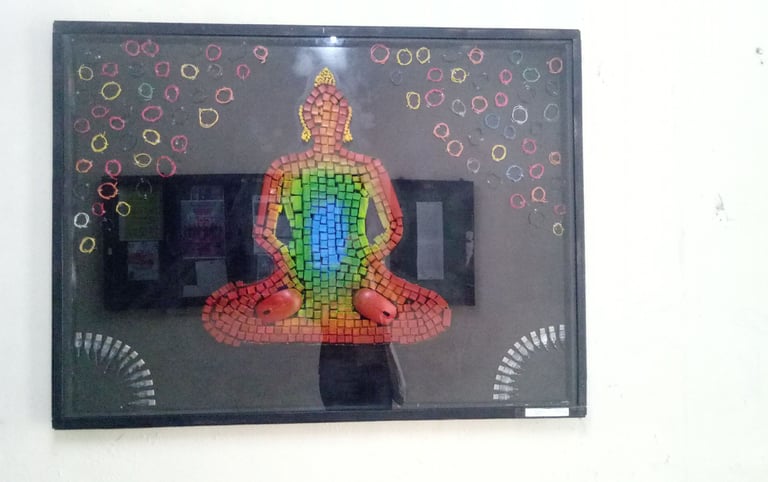
During graduation, an internship with the Bangalore-based startup Reimagined, which works with textile waste to produce bags, expanded my understanding of recycled materials and the possibilities of waste within local markets and livelihoods. Later, while pursuing my M.A. in Education at the Tata Institute of Social Sciences (TISS), Mumbai, I created an e-waste painting using discarded materials collected from the campus itself.
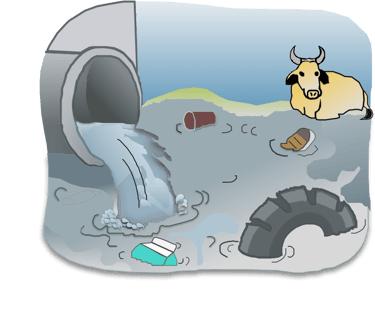
Between 2021–22, while working remotely from my hometown, Raigarh, Chhattisgarh, as a researcher and consultant with the Centre for Excellence in Teacher Education (CETE), TISS Mumbai, my engagement with waste became more urgent and personal. Raigarh, a medium-sized industrial city, was witnessing the gradual disappearance of ponds, increasing pollution, and the normalization of dumping plastic waste into common spaces. One pond near my home, which had once been part of everyday community life, slowly began to deteriorate.
What disturbed me most was not only the environmental decline itself, but also the silence around it. Even informed and educated people rarely find the urgency to question, discuss, or prioritize ecological concerns within everyday civic life.
This realization led me to begin I & My Waste, an ongoing participatory practice through which I work with students, communities, and local narratives to explore how waste shapes behaviour, memory, and public life. Through conversations, activities, storytelling, and documentation, the work attempts to bring hidden realities of waste into public reflection and encourage communities to rethink their relationship with what they discard.
This full stop at the end does not mark the end. Rather, it is a beginning to learn, relearn, unlearn, share, and move closer to nature. As Paulo Freire said, "he is always in the beginning".
"I am on a beautiful journey now on this beautiful planet, will I come back? I don't know. what I know, I have today and I have a choice of what to do with today."
Shalini
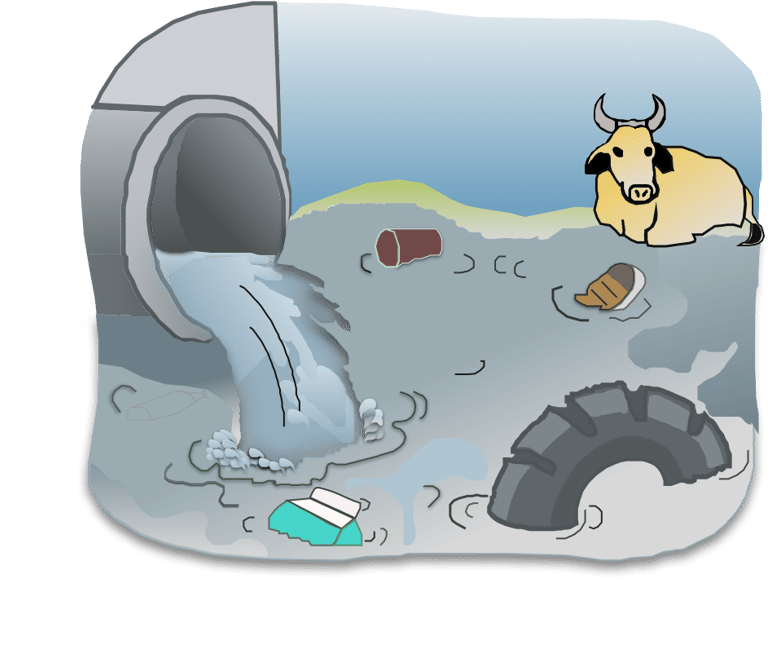
Returning to my city, Raigarh: 1st illustration was designed for a local newspaper in my city to highlight the situation of "budhimai talaab" (pond). It was not easy, did an online course and used the sketch, overall an amazing experience!
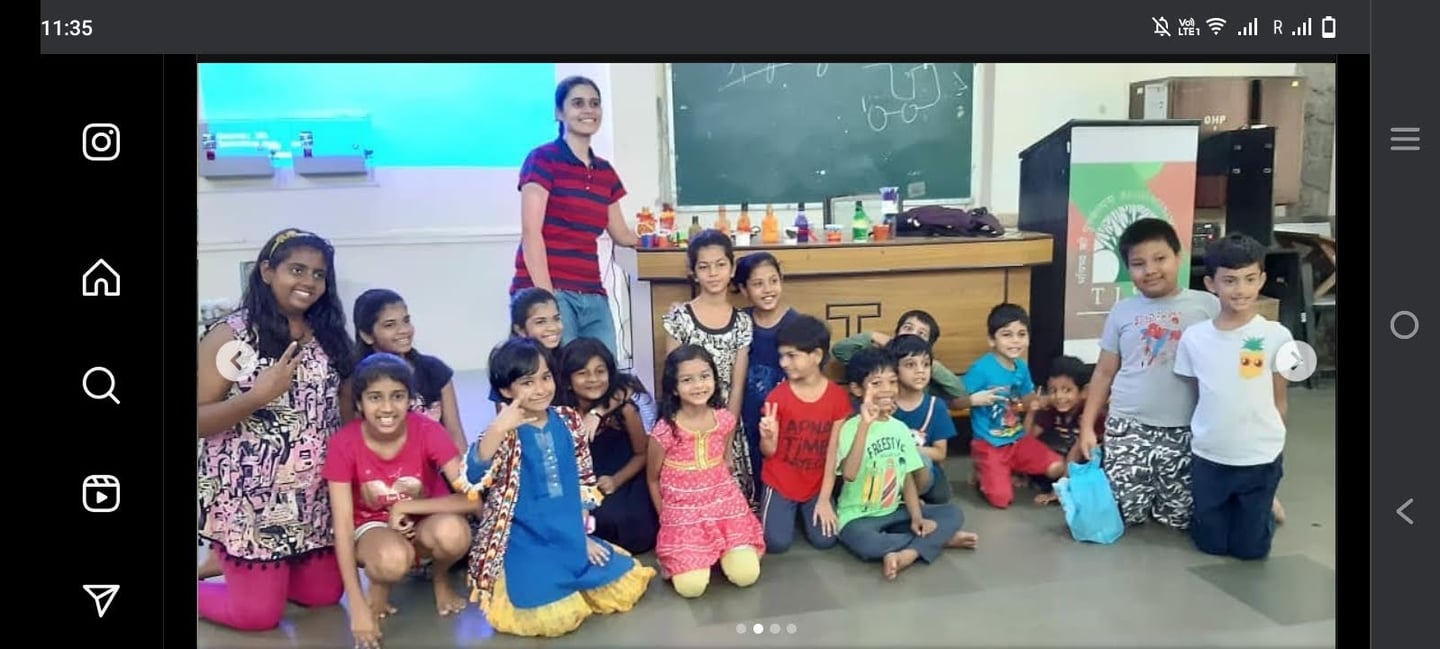
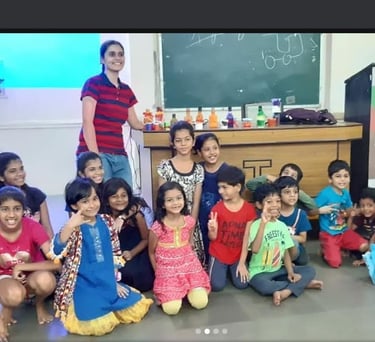
Sharing learning: 1st Workshop around "let's upcycle waste of our campus" for the faculty kids. It was full of laughter and activities around waste!
Learning Through Materials: 1st E-Waste Painting for my college -TISS MUMBAI! A big thanks to Professor Asha Banu!
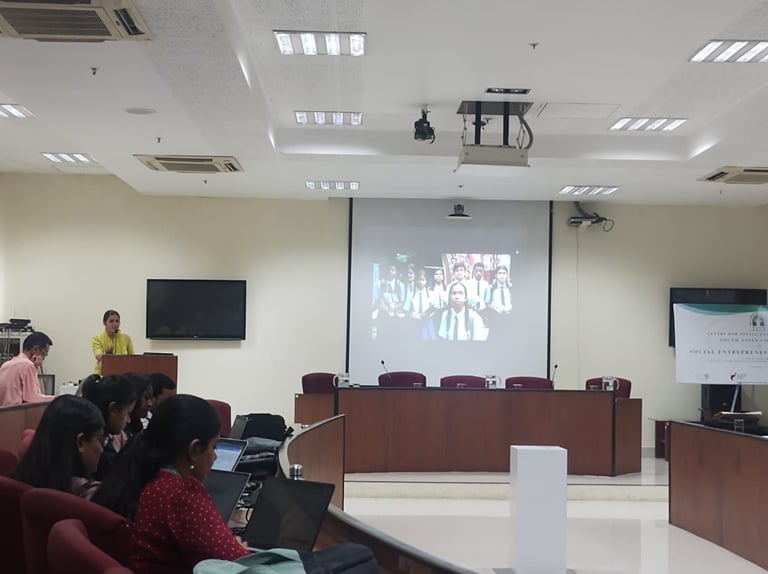
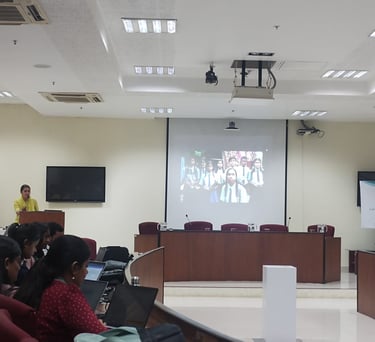
Sharing experiences: 1st National Conference- South Asian Social Entrepreneurship Ecosystem, TISS Mumbai.